
Table of Contents
Why Product Digitalization Is Now Essential for Logistics Companies: AI Agents Leading the Way
Logistics used to be about trucks, containers, schedules, and paperwork. Today, it has become a digital ecosystem where every shipment, asset, workflow, and customer touchpoint is expected to run with accuracy. The companies that operate with outdated manual processes find themselves slower, less predictable, and unable to compete with modern supply chains.
Product digitalization has become a turning point for logistics companies in the United States. It is no longer an optional initiative or a long-term modernization plan. It has become the foundation on which logistics efficiency, customer satisfaction, and operational visibility depend. AI agents are strengthening this shift by transforming everyday work into automated, intelligent, and self-optimizing operations.
This article explains why digitalizing logistics products matters now, how AI agents bring real value, and what companies can expect when they move from manual systems to automated digital operations.
The New Reality of Logistics: Why Digitalization Can’t Wait
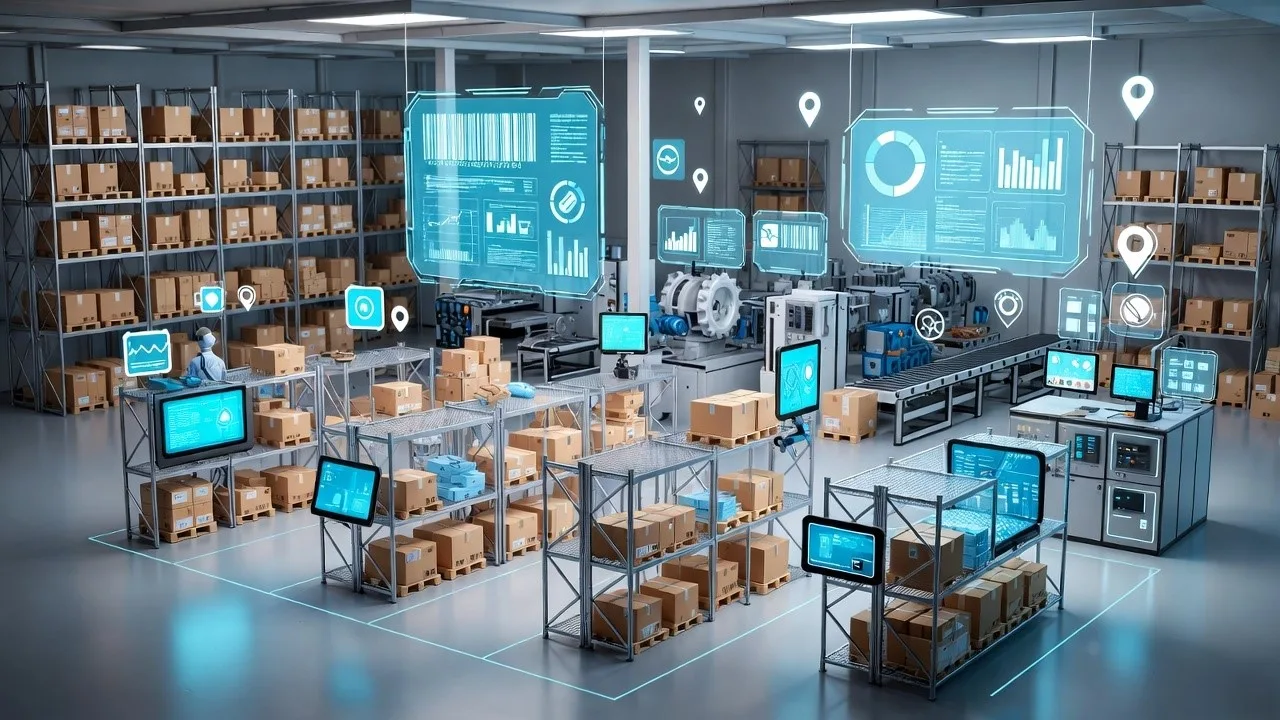
Logistics companies face a mix of growing pressure and rising opportunity. Smart warehouses, instant tracking expectations, strict compliance rules, and global disruptions have made the industry more complex than ever. The companies that still operate with manual scheduling, siloed systems, or legacy software see the immediate effects: delays, higher costs, dissatisfied clients, and reduced ability to scale.
Digitalization supports logistics workflows in several critical ways:
More visibility across operations: Digital systems collect information from fleets, sensors, drivers, and inventory. This gives managers a single view of the entire operation.
Better decision-making under pressure: Data-driven decisions replace guesswork. Shipment scheduling, routing, and resource planning become more accurate.
Stronger customer service: Shippers expect transparency. Digital workflows offer real-time updates, fewer errors, and faster problem resolution.
Improved compliance and documentation: Automated record-keeping reduces paperwork and helps avoid penalties.
Operational flexibility: Digitalized products make it easier to scale, introduce new services, or integrate external systems.
These advantages have always been helpful. Today they are essential. The biggest change, however, comes from how AI agents reshape digitalization itself.
AI Agents: The Next Stage of Digital Logistics
AI agents are software systems that can learn, reason, automate workflows, and act independently on digital tasks. In logistics, they take over repetitive work, coordinate data, monitor systems, and react to conditions without requiring constant human supervision.
Although AI in logistics is not new, AI agents represent a more advanced category. They combine analytics, automation, and decision-making into a single system that interacts with digital products the same way a human operator would.
AI agents bring meaningful improvements to logistics operations:
Automation of manual tasks: They handle tasks like document generation, data cleaning, freight matching, and scheduling.
Predictive insights: They forecast demand, route delays, fuel usage, equipment downtime, and labor gaps.
Operational monitoring: Agents watch warehouse sensors, temperature data, fleet behavior, and system logs, then act when something changes.
End-to-end coordination: They connect systems that previously required multiple teams. This reduces unnecessary communication gaps.
Continuous optimization: Since agents learn from new data, processes improve naturally over time.
With these capabilities, logistics digitalization becomes more than creating digital versions of existing processes. It becomes a system that continuously improves itself.
From Manual Operations to AI-Led Digital Workflows
To understand why AI-driven digitalization matters, consider what daily work looks like inside a logistics company. Much of the time is spent on routine tasks:
- pulling data from multiple systems
- updating spreadsheets
- preparing shipment documents
- calling partners to confirm delivery windows
- coordinating warehouse capacity
- checking truck availability
- managing insurance and compliance documents
When these tasks depend on people alone, delays and inaccuracies are common. AI agents remove this friction by performing the work automatically. For example:
Example 1: Automated Scheduling: AI agents analyze shipment size, delivery windows, historical traffic, driver behavior, vehicle availability, and customer preferences. They generate an optimized schedule without human effort.
Example 2: Real-Time Route Adjustments: Sensor data, weather feeds, and traffic information help agents adjust routes instantly. Dispatchers receive the decisions rather than calculating them manually.
Example 3: Automated Documentation: Bills of lading, customs forms, fuel receipts, and weight certificates can be created, validated, and stored automatically.
Example 4: Predictive Maintenance: Agents track engine temperature, vibration data, and mileage patterns. They schedule maintenance before breakdowns occur.
These examples show that digitalization is not limited to replacing paper workflows. It is about redesigning the entire operational model around intelligence, speed, and predictability.
Why This Shift Matters Today
Several factors have accelerated the need for digitalization inside logistics workflows.
Higher Customer Expectations
Shippers and retailers expect live tracking, fast delivery options, and proactive issue resolution. Without digital tools, companies cannot meet these expectations consistently.
Competitive Pressure
Large logistics providers now operate advanced digital ecosystems. Smaller companies need digitalization to stay relevant.
Workforce Limitations
Labor shortages affect drivers, warehouse workers, and back-office roles. Automation fills these gaps without compromising service quality.
Rising Operational Costs
Fuel costs, insurance, and compliance fees make efficiency a priority. AI agents reduce wasted time, unnecessary miles, and avoidable delays.
Increasing Complexity
Multi-modal supply chains, cross-border requirements, and temperature-controlled logistics add layers of responsibility. Digitalization creates clarity and control.
These conditions make a strong case: digitalization is not a future trend. It is a present requirement for operational survival and long-term growth.
AI Agents and the Digital Supply Chain: What Changes?
AI agents change the nature of digital logistics in several practical ways.
1. Digital Products Become Self-Managing
Once digital workflows are in place, AI agents keep them optimized. They watch data flows, catch anomalies, and correct issues without human action.
2. Faster Responses to Disruptions
Agents do not wait for human review. They react immediately when disruptions occur, reducing the impact of delays.
3. Reduced Dependency on Legacy Software
Agents bridge old systems, making modernization easier. Companies no longer need complete system replacements to become digital.
4. Better Use of Data
AI agents convert raw data into usable insights. This improves planning, pricing, inventory forecasting, and fleet efficiency.
5. Improved Collaboration
Digital workflows become easier to share with partners, customers, carriers, and warehouses.
The result is a supply chain that feels smoother, faster, and more adaptable.
What Digitalization Looks Like When Done Well
A strong digital transformation in logistics includes the following elements:
Unified operational dashboards
Managers see orders, routes, warehouse activity, and fleet status in a single view.
Automated data entry and record maintenance
Manual documentation errors decrease.
Sensor-driven operations
Temperature, humidity, vibration, and location data are collected and analyzed automatically.
Intelligent routing and scheduling
AI agents create and revise plans based on real-time inputs.
Predictive models
Forecasts help companies plan inventory levels, labor allocation, fleet usage, and maintenance schedules.
Integrated customer communication
Customers receive reliable updates without repeated manual follow-ups.
Workflow orchestration systems
Digital coordination across teams ensures tasks move automatically from one stage to another.
This level of digitalization improves performance across the board and creates a more resilient logistics operation.
The Future: AI-Driven Logistics as the New Standard
The logistics sector is moving toward an environment where AI is embedded in every key activity. The companies that adopt AI agents early gain a clear advantage:
- faster turnarounds
- fewer operational errors
- lower overhead
- stronger customer satisfaction
- more predictable delivery performance
- more resilient operations during disruptions
Digitalization brings structure. AI agents bring intelligence. Together, they define the future of logistics operations in the United States.
People Also Ask
Why is digitalization important for logistics companies today?
Digitalization improves visibility, reduces errors, and strengthens customer service. It helps logistics companies operate with greater speed and accuracy.
How do AI agents support logistics digitalization?
AI agents automate manual tasks, monitor operations, forecast disruptions, and coordinate workflows. They bring intelligence to digital systems.
Does digitalization require replacing all legacy systems?
Not always. AI agents can connect older systems and bring automation without full software replacements.
What benefits can logistics companies expect from AI-driven processes?
Companies gain faster operations, reduced labor pressure, fewer delays, smoother communication, and better resource usage.
Is this transition suitable for small logistics companies?
Yes. Smaller logistics companies often benefit the most, as automation reduces workload and improves customer service without expanding labor.
NunarIQ — The All-in-One AI Agent Platform Driving Efficiency, Precision, and Growth
NunarIQ equips GCC enterprises with AI agents that streamline operations, cut 80% of manual effort, and reclaim more than 80 hours each month, delivering measurable 5× gains in efficiency.
Industries
- Logistics
- Retail
- Manufacturing
- Healthcare
- Finance
- Energy & Resources
Resources
- Blogs
- Whitepaper
- Knowledge Base
- AI Agent Requirement Analysis