
Table of Contents
Driving the Future: How Big Data is Redefining the Automotive Market
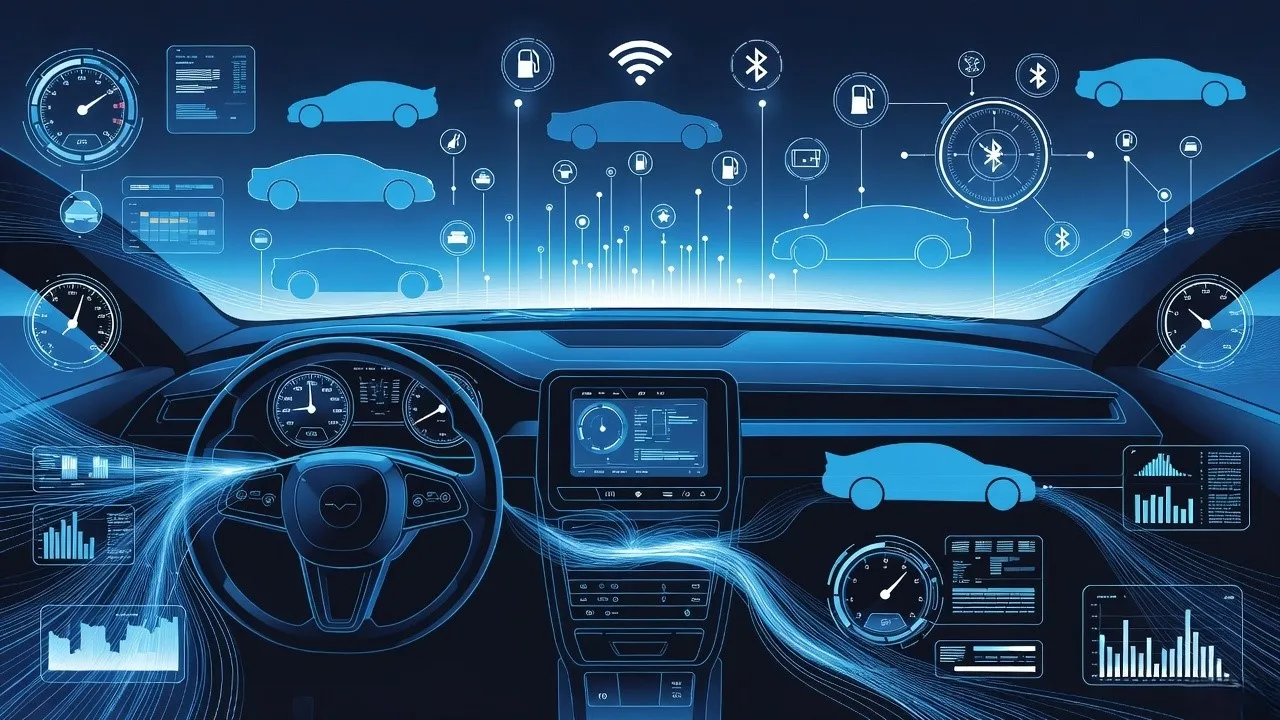
The automotive industry is undergoing its most radical transformation since the invention of the assembly line. It is no longer defined solely by metal, combustion, and horsepower, but by data, connectivity, and intelligence. The modern vehicle is a sophisticated, rolling data center, generating terabytes of information daily. This explosive volume of Big Data, from in-vehicle sensors and telematics to manufacturing logs and customer interaction platforms, is the new fuel powering every segment of the automotive market.
From the engineering lab and the assembly plant to the dealer showroom and the insurance office, Big Data is not just optimizing processes; it is creating entirely new business models, redefining the customer experience, and unlocking massive commercial value. For companies positioned to harness this data, the road ahead is paved with opportunity.
The Automotive Data Ecosystem: Where the Data Comes From
The automotive data ecosystem is vast and multi-layered. Big Data refers to the sheer volume, velocity, and variety (the “3 Vs”) of this information:
1. In-Vehicle Data (The Core)
- Telematics and Sensors: Data on engine performance, diagnostics, fuel consumption, speed, location (GPS), and driver behavior (braking, acceleration).
- ADAS (Advanced Driver Assistance Systems): High-velocity data from LiDAR, radar, and cameras used for autonomous functions.
- Infotainment: Data on user preferences, navigation inputs, app usage, and voice commands.
2. Manufacturing and R&D Data
- IoT in the Factory: Real-time data from robots, assembly line sensors, and quality control systems.
- Simulations: Terabytes of data generated during virtual crash testing and aerodynamic modeling.
3. Customer and Market Data
- Sales and Dealer Data: Purchase history, financing choices, service records, and warranty claims.
- External Data: Traffic patterns, weather conditions, charging station utilization, and competitor vehicle performance metrics.
Commercial Impact: Big Data Across the Value Chain
The strategic use of Big Data is creating competitive advantages that translate directly into commercial success across four key areas:
1. Manufacturing and Supply Chain Efficiency
Big Data is transforming the traditionally rigid manufacturing process into a flexible, optimized system.
- Predictive Maintenance (Factory Floor): Data generated by IoT sensors on manufacturing equipment (robots, presses) is analyzed by AI/ML models to predict when a component is likely to fail. This enables proactive maintenance scheduling, dramatically reducing costly, unplanned downtime and increasing overall equipment effectiveness (OEE).
- Zero-Defect Assembly: Real-time monitoring of assembly parameters (e.g., torque applied by a robot, temperature in a paint shop) allows immediate correction of flaws. This lowers scrap rates and reduces the chance of expensive post-sale recalls.
- Dynamic Inventory Optimization: By correlating vehicle demand forecasts (driven by market data) with supplier performance and material costs, manufacturers can optimize Just-in-Time (JIT) inventory, minimizing warehouse space and capital tie-up.
2. Vehicle Design and R&D Innovation
The feedback loop from vehicle usage data to the engineering department is now instantaneous, accelerating innovation.
- Real-World Feature Validation: Engineers no longer wait for annual service reports. They analyze real-time usage patterns to understand which features customers use, which they ignore, and where components fail in the real world. This data is critical for prioritizing R&D spend.
- Software Updates (OTA): Big Data is the foundation for Over-the-Air (OTA) updates. Manufacturers collect performance data, diagnose software bugs remotely, and push targeted updates to millions of vehicles, fixing issues faster and avoiding costly service center visits.
- Autonomous Driving Development: Autonomous Vehicle (AV) development is entirely data-driven. Petabytes of sensor data (edge cases, near-miss scenarios) are collected, labeled, and used to train complex AI models, directly influencing the speed and safety of AV deployment.
3. Redefining the Customer Experience and Sales
The vehicle is moving from a depreciating asset to a personalized service platform, largely powered by user data.
- Hyper-Personalization: Data on driving habits, preferred routes, and media consumption allows manufacturers to offer highly personalized in-car experiences and targeted services (e.g., suggesting a favorite coffee shop near the driver’s regular route).
- Proactive Maintenance and Service: Vehicles can now predict their own maintenance needs (e.g., “Brake pads will need replacement in 1,500 miles”). The ERP system integrates this data, automatically scheduling a service appointment with the nearest dealer, enhancing customer loyalty and driving service revenue.
- Marketing and Sales Funnel Optimization: By analyzing behavioral data across digital channels and vehicles, manufacturers can tailor marketing efforts to specific demographics, offering highly customized financing deals or accessories at the optimal moment in the ownership lifecycle.
4. New Revenue Streams: Insurance and Fleet Management
The biggest commercial shift is the creation of entirely new business models external to vehicle sales.
- Usage-Based Insurance (UBI): Big Data from telematics enables insurers to offer policies based on actual driving behavior (speeding, braking, time of day driving). This Fairer Pricing model attracts lower-risk drivers and provides a powerful, high-margin revenue stream.
- Fleet Optimization as a Service: For large corporate fleets, logistics companies, and ride-sharing services, vehicle data is sold as a service. This includes route optimization, preventative maintenance alerts, and driver behavior monitoring to reduce fuel costs and liability.
- Monetization of Traffic Data: Anonymized, aggregated real-time vehicle location data is highly valuable to third parties (urban planners, municipal services, mapping companies) for traffic management and infrastructure planning.
Challenges: Data Governance and Ethics
The commercial value of automotive Big Data is massive, but it is intrinsically linked to overcoming significant governance and ethical hurdles.
- Data Security: Protecting high-velocity sensor and personal user data from cyberattacks is paramount. A single breach of millions of connected cars could be catastrophic.
- Privacy and Consent: Strict global regulations (GDPR, CCPA) demand transparency regarding what data is collected, how it is used, and clear user consent. Manufacturers must establish clear policies on data ownership, is it the driver’s, the owner’s, or the manufacturer’s?
- Interoperability and Standardization: Data is generated in various proprietary formats by different manufacturers and suppliers. The industry needs greater standardization to unlock the full potential of data sharing and analysis across the ecosystem.
The Future: The Data-Driven Ecosystem
The evolution of the automotive market is accelerating toward three data-driven pillars:
- Subscription Services (Software-Defined Vehicles): Core vehicle features (enhanced ADAS capabilities, performance boosts) will transition from one-time purchases to ongoing, data-enabled subscriptions, creating a predictable, recurring revenue stream.
- V2X (Vehicle-to-Everything) Communication: Data exchange between vehicles, infrastructure, pedestrians, and the network will create “smart cities,” optimizing traffic flow and dramatically improving safety—all contingent on real-time Big Data processing.
- Predictive Fleet Operations: AI will move beyond just forecasting demand to proactively optimizing entire fleets of autonomous vehicles, managing battery life, route efficiency, and maintenance autonomously.
Conclusion
Big Data is no longer an optional analytical tool; it is the defining competitive landscape of the automotive market. From the engineering blueprint to the final trade-in, data is accelerating R&D, streamlining manufacturing, deepening customer relationships, and, most importantly, unlocking unprecedented commercial opportunities in usage-based services.
The auto companies that invest strategically in their data infrastructure, analytics capabilities, and ethical governance will be the ones that successfully navigate the shift from selling cars to selling mobility and intelligence, securing their position as leaders in the future of transport.
People Also Ask
What is big data in the automotive market?
Big data in automotive refers to collecting and analyzing vehicle, manufacturing, and customer data to improve performance, safety, and decision-making.
How is big data used in modern vehicles?
It enables real-time diagnostics, predictive maintenance, driver behavior analysis, and enhances connected and autonomous vehicle systems.
What benefits does big data provide automakers?
It improves production efficiency, reduces downtime, enhances product quality, and supports data-driven innovation.
Which technologies support big data in automotive?
AI, machine learning, IoT sensors, cloud computing, and telematics systems are key enablers in processing and analyzing automotive data.
What is the future outlook for big data in the automotive market?
Demand is increasing as connected, electric, and autonomous vehicles grow, driving more advanced analytics and data-powered mobility solutions.
NunarIQ — The All-in-One AI Agent Platform Driving Efficiency, Precision, and Growth
NunarIQ equips GCC enterprises with AI agents that streamline operations, cut 80% of manual effort, and reclaim more than 80 hours each month, delivering measurable 5× gains in efficiency.
Industries
- Logistics
- Retail
- Manufacturing
- Healthcare
- Finance
- Energy & Resources
Resources
- Blogs
- Whitepaper
- Knowledge Base
- AI Agent Requirement Analysis